Camera Retro Digital: Why Old-School Aesthetics Rule 2026
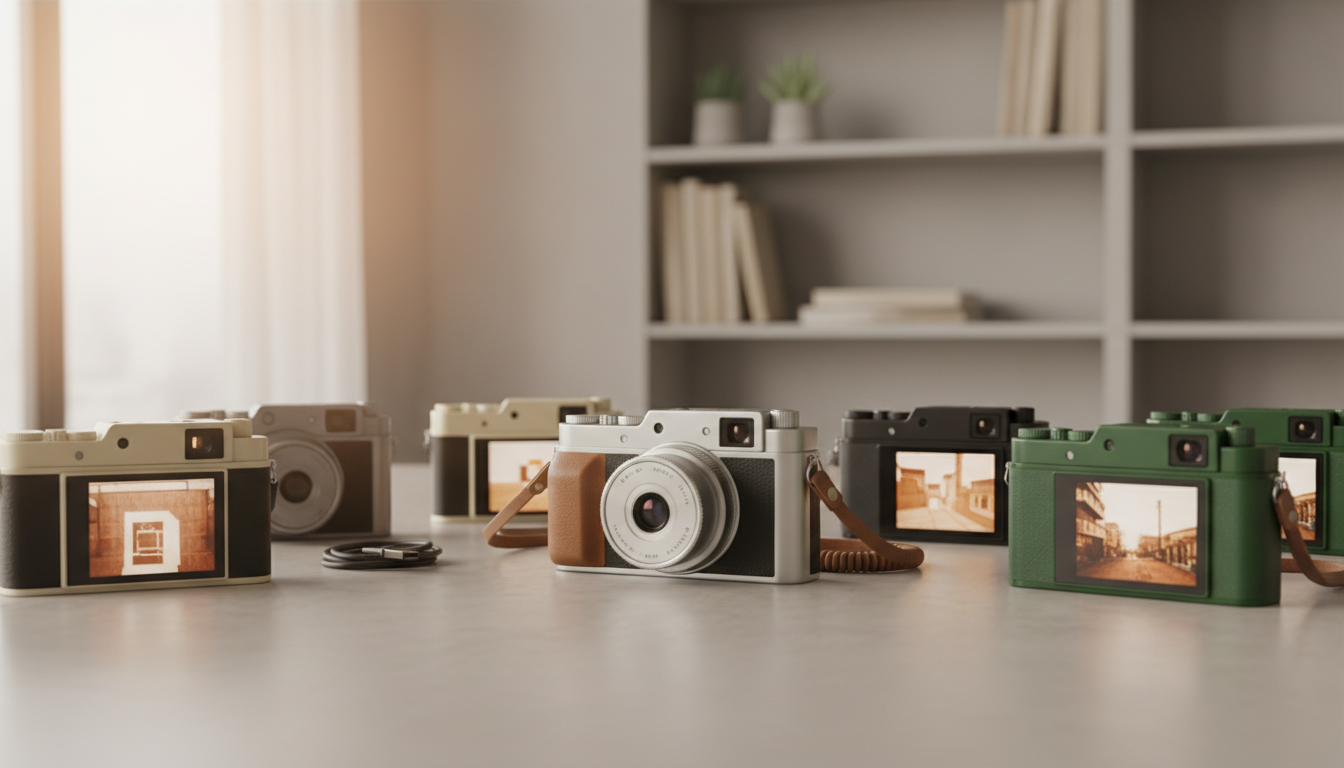
The camera retro digital movement isn’t just nostalgia — it’s a rebellion against the sterile perfection of modern photography. While everyone else chases megapixels and AI enhancement, creative professionals are rediscovering the magic of cameras that feel like instruments, not computers.
The Psychology Behind Retro Digital Camera Appeal
There’s something deeply satisfying about turning a physical dial instead of swiping through digital menus. The tactile experience of operating a camera retro digital model connects you to the craft in ways that touchscreen interfaces simply can’t match.
Tactile Controls Create Better Photography
When you’re forced to manually adjust aperture rings and shutter speed dials, you develop an intuitive understanding of exposure. Modern cameras hide these fundamentals behind layers of automation, creating photographers who can capture technically perfect images but struggle to understand why they work.
We’ve noticed this in our own video production work — crew members who learned on vintage-style cameras demonstrate better instinctive lighting decisions. They understand the relationship between settings because they’ve physically manipulated each variable.
Visual Authenticity in a Digital World
Retro digital cameras often incorporate film simulation modes that aren’t just Instagram filters. They’re carefully calibrated color science that mimics specific film stocks, giving your content an organic quality that stands out against the clinical perfection of smartphone photography.
The grain structure, color response, and highlight rolloff of these cameras creates images that feel human. In an era where AI can generate photorealistic images, that humanity becomes a competitive advantage.
Slowing Down the Creative Process
Limited LCD screens, fewer menu options, and manual controls force you to be more intentional with each shot. This constraint breeds creativity — when you can’t rely on taking 200 photos and hoping one works, you develop better composition skills and timing.
Top Camera Retro Digital Models Dominating Creative Workflows
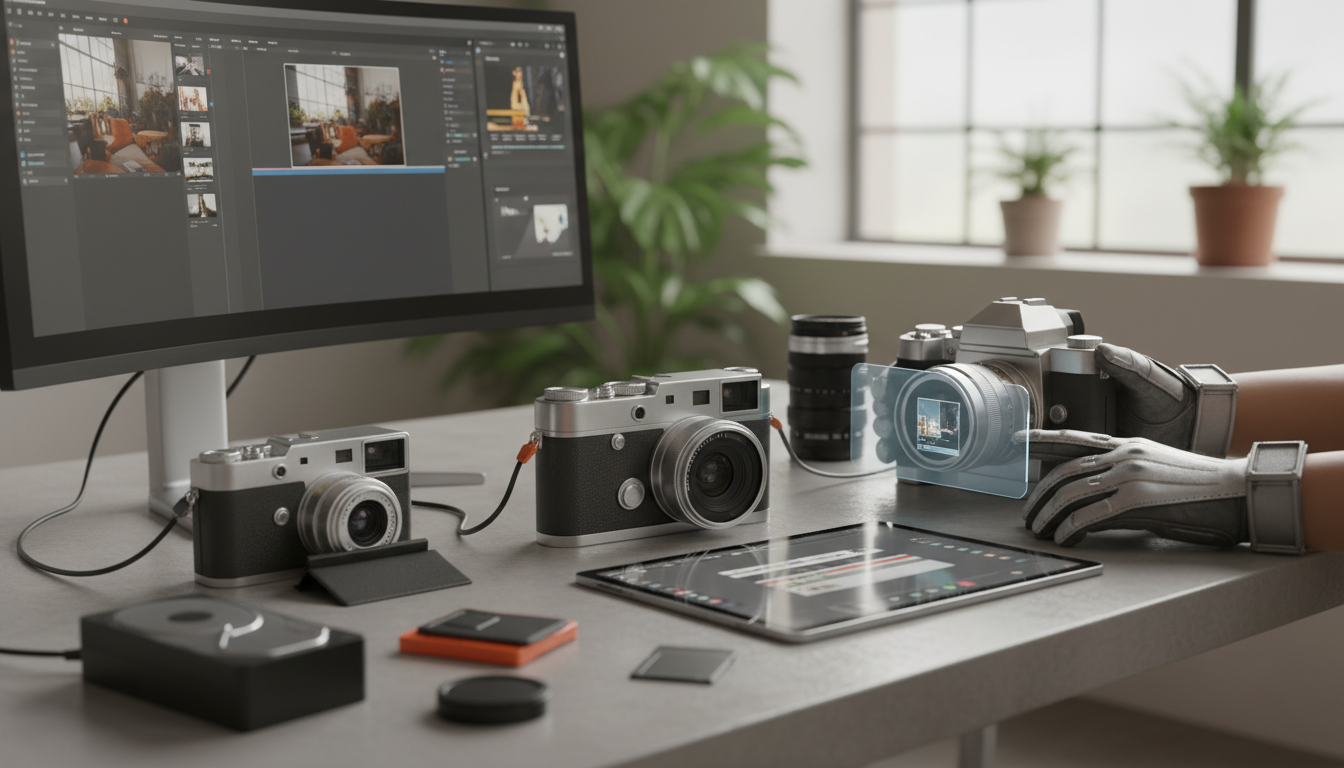
Not all vintage-inspired cameras are created equal. The best models balance nostalgic design with modern performance, giving you the aesthetic experience without sacrificing image quality.
Fujifilm’s Film Simulation Mastery
The Fujifilm X-T5 and X100 series have become the gold standard for retro digital photography. Their film simulation modes — Velvia, Provia, Classic Chrome — aren’t marketing gimmicks. They’re based on decades of actual film manufacturing expertise.
What sets Fujifilm apart is their commitment to physical controls. Dedicated dials for ISO, shutter speed, and exposure compensation mean you’re always one click away from any setting. No diving through menus mid-shoot.
Nikon’s Modern Classic Approach
The Nikon Zf takes a different approach, combining modern sensor technology with classic SLR styling. Full-frame performance in a body that looks like it belongs in the 1970s, complete with mechanical-feeling dials that are actually electronic underneath.
For video work, this camera delivers cinema-quality footage while maintaining the tactile experience that makes shooting enjoyable rather than technical.
Olympus/OM System’s Compact Excellence
The OM-D series proves that retro styling doesn’t require bulk. These micro four-thirds cameras deliver professional image quality in bodies small enough for street photography, with weather sealing that puts many larger cameras to shame.
Their in-body stabilization is particularly impressive — handheld video that looks like it was shot on a gimbal, all while maintaining that classic camera aesthetic.
Why Gen Z is Driving the Retro Digital Renaissance
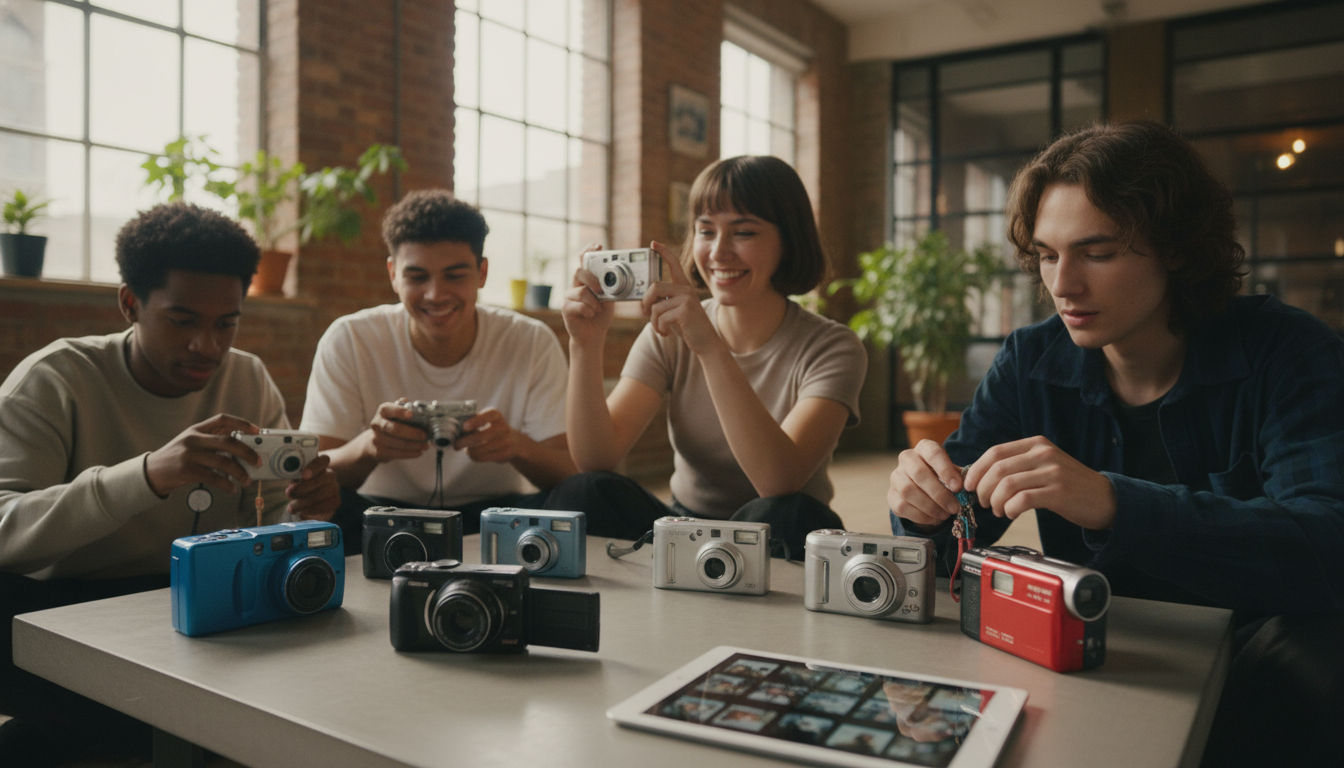
The generation that grew up with smartphones is paradoxically leading the charge back to dedicated cameras. But they’re not just buying any cameras — they want models that feel different from the digital devices they’ve known their entire lives.
Social Media Differentiation Strategy
When everyone has access to the same smartphone cameras and editing apps, standing out requires different tools. A camera retro digital model produces images with character that can’t be replicated with filters.
We see this constantly in social media campaigns — content shot on retro-styled cameras gets higher engagement because it feels authentic in a sea of over-processed imagery.
The Craft Movement Extends to Photography
Just as vinyl records and mechanical keyboards have found new audiences, cameras with physical controls appeal to people who want to understand their tools. There’s satisfaction in mastering manual exposure that auto-everything cameras can’t provide.
This isn’t about being difficult for difficulty’s sake — it’s about developing skills that make you a better visual storyteller.
Affordable Entry into Professional Photography
Many retro digital cameras offer professional features at prosumer prices. A used Fujifilm X-T3 delivers image quality that rivals cameras costing twice as much, while teaching you fundamental photography skills through its manual controls.
Building Your Retro Digital Camera Kit
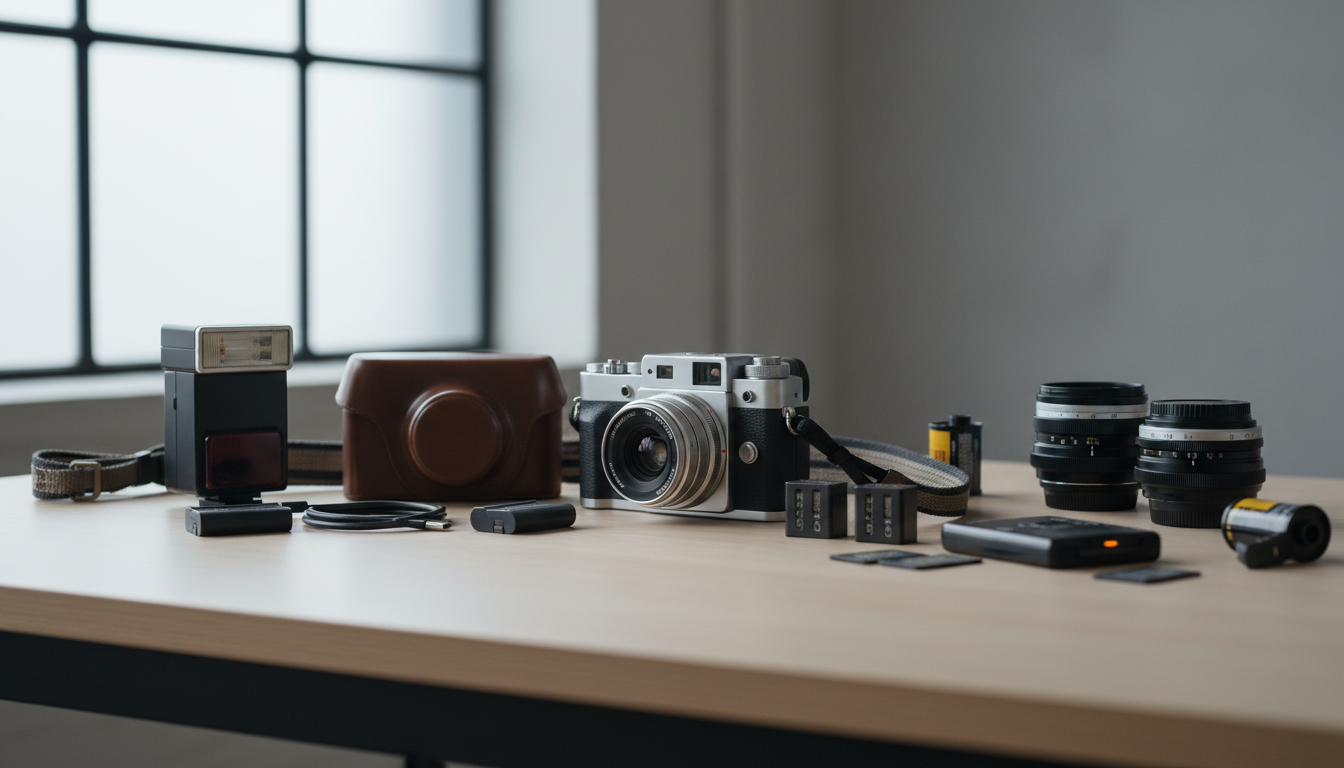
Starting with vintage-inspired digital photography requires more than just buying a camera. You need to think about lenses, accessories, and workflow that complement the retro aesthetic.
Prime Lenses Over Zoom Convenience
Retro photography is about intentionality, and prime lenses force you to move and compose rather than zoom from one spot. A 35mm equivalent lens covers most situations while maintaining the compact form factor that makes these cameras appealing.
Fast apertures — f/1.4 or f/2 — give you the shallow depth of field that separates subjects from backgrounds naturally, without relying on computational blur effects.
Essential Accessories for the Complete Experience
A proper camera strap, lens hood, and UV filter aren’t just functional — they complete the aesthetic. These cameras are meant to be handled and used, not hidden in camera bags.
Consider a small camera bag that looks like it belongs with your retro setup. Modern technical fabrics in classic designs give you weather protection without breaking the visual cohesion.
Workflow That Matches the Aesthetic
Shooting JPEG with film simulations can be liberating after years of RAW processing. When the camera’s color science is this good, you spend less time editing and more time shooting.
For video work, recording in flat profiles gives you grading flexibility while maintaining the organic look that makes retro cameras special.
Commercial Applications for Retro Digital Cameras
Beyond personal photography, these cameras are finding their way into professional workflows where their unique aesthetic adds value to commercial projects.
Brand Photography with Character
Lifestyle brands increasingly want imagery that feels authentic rather than sterile. A camera retro digital model produces the organic imperfections that make products feel approachable and human.
We’ve used vintage-style cameras for restaurant photography where the slightly warm color temperature and natural grain structure makes food look more appetizing than clinically perfect images.
Video Content That Stands Out
In a world of over-stabilized, over-sharpened video content, the slightly organic look of retro digital cameras helps brands differentiate their content. The color science and highlight handling create a cinematic quality that smartphone video can’t match.
Music videos, documentary work, and branded content all benefit from the character these cameras bring to the image.
Event Photography with Soul
Wedding and event photographers are discovering that retro digital cameras capture emotion better than technical perfection. The film-like color response and natural skin tones create images that feel timeless rather than dated to a specific digital era.
Technical Considerations for Professional Use
While aesthetics drive the initial appeal, professional applications require cameras that can deliver consistent results under varying conditions.
Low Light Performance Reality Check
Modern retro digital cameras handle high ISO surprisingly well, but they’re not miracle workers. Understanding the limits of your specific model prevents disappointment during critical shoots.
Most perform excellently up to ISO 3200, with usable results at 6400. Beyond that, you’re trading image quality for the retro aesthetic — sometimes that’s worth it, sometimes it isn’t.
Battery Life and Power Management
Retro styling often means smaller batteries and more power-hungry features like electronic viewfinders. Carrying spare batteries isn’t just recommended — it’s essential for professional work.
Some cameras offer USB charging, which can be a lifesaver during long shooting days when traditional chargers aren’t available.
Lens Ecosystem Considerations
Before committing to a camera system, research the available lenses. Some manufacturers offer extensive retro-styled lens lineups, while others focus on modern optical designs that might not match your aesthetic goals.
Adapted vintage lenses can complete the look, but they often sacrifice autofocus speed and accuracy — acceptable for some applications, problematic for others.
Future of Retro Digital Photography
The camera retro digital trend shows no signs of slowing down. If anything, it’s expanding into new categories and price points as manufacturers recognize the sustained demand for tactile, authentic photography experiences.
Emerging Technologies in Classic Bodies
Expect to see more advanced features packaged in retro designs — better image stabilization, faster autofocus, and improved video capabilities, all while maintaining the physical controls and aesthetic appeal that define the category.
Computational photography features are being integrated more subtly, enhancing image quality without overwhelming the user experience with complex menus and options.
Expanding Market Segments
Entry-level retro cameras are becoming more capable, while professional models are pushing the boundaries of what’s possible in vintage-inspired bodies. This expansion means there’s likely a retro digital camera that fits your specific needs and budget.
Medium format is even getting the retro treatment, with cameras that combine the image quality of professional systems with the handling characteristics of classic film cameras.
Integration with Modern Workflows
Better connectivity options, improved mobile apps, and streamlined file transfer are making retro cameras more practical for modern content creation workflows. You can maintain the tactile shooting experience while still meeting the speed demands of digital publishing.
The future isn’t about choosing between retro aesthetics and modern functionality — it’s about having both in the same package.
Ready to discover how retro digital cameras can transform your visual storytelling? Contact Emin Media for a free brand consultation and how the right camera aesthetic can enhance your content strategy.
Enjoyed this article?
Contact Emin Media for a free brand consultation and let's create something amazing together.
Get in Touch