Best Digital Vlogging Camera Guide 2026
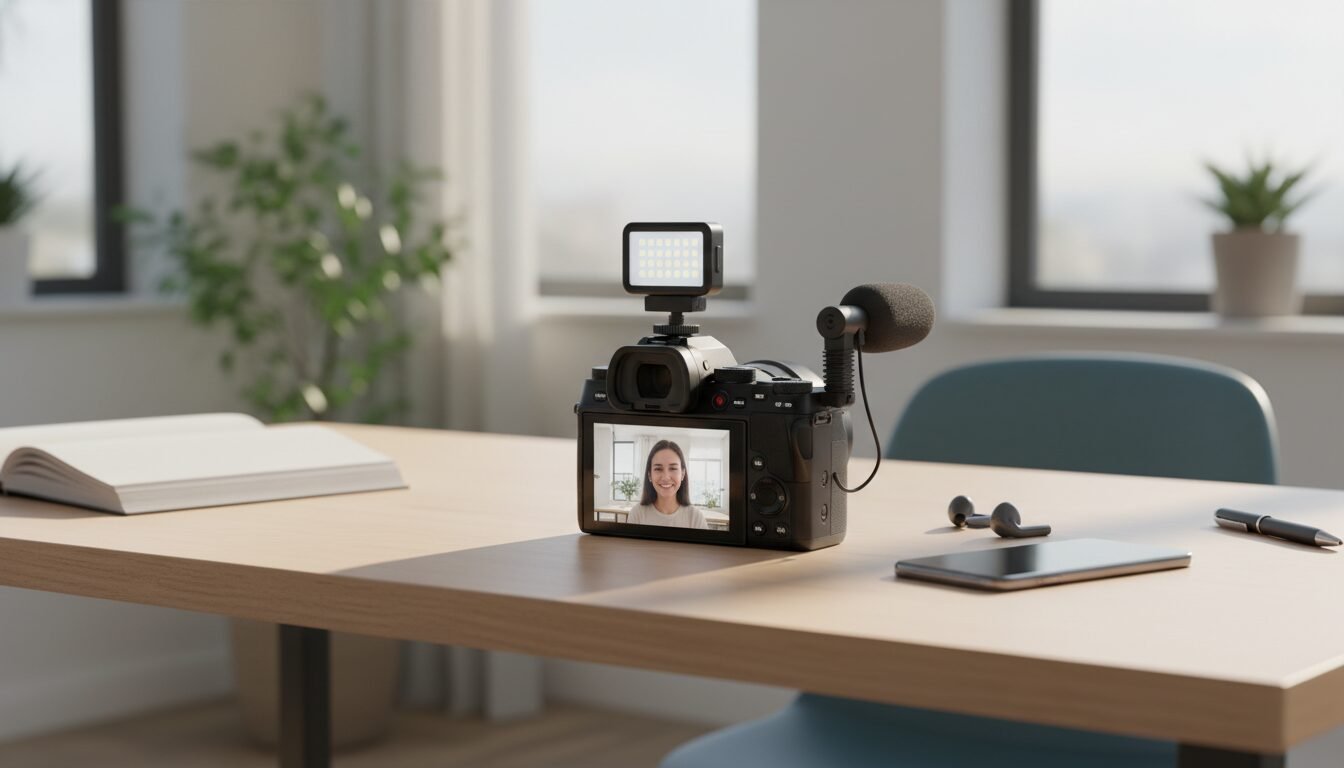
A digital vlogging camera is a compact video-first camera built for content creators, combining flip screens, 4K or higher resolution, and on-the-go stabilization. Top 2026 picks range from the $59.97 VJIANGER to the $779.99 Insta360 X5.
Key Takeaways
- Digital vlogging cameras prioritize flip screens, 4K video, and portability over traditional photo-first designs.
- The VJIANGER 4K camera delivers 64MP stills and 4K video for under $60, making it the strongest entry-level option.
- Mid-range picks like the Sony ZV-1F ($599.99) add large sensors and advanced autofocus for serious creators.
- The Insta360 X5 ($779.99) shoots 8K 360° footage, opening up a completely different style of storytelling.
- Accessories like external mics and gimbals can lift production quality as much as upgrading the camera itself.
- Budget ranges span from $60 to over $2,000, so defining your content style before buying saves real money.
What Is a Digital Vlogging Camera?
Media” class=”wp-image-9845″ loading=”lazy” width=”1792″ height=”1024″ />Designed for Content Creators
A digital vlogging camera is a camera optimized for recording video content on platforms like YouTube and TikTok. Unlike traditional point-and-shoot cameras, these devices prioritize video features: 4K recording, articulating screens, and external microphone support. According to Amateur Photographer, a good vlogging camera delivers a clear, demonstrable upgrade in video quality and shooting versatility over a standard compact.
Evolution from Camcorders to Compact Cameras
Originally, vloggers relied on bulky camcorders that were awkward to carry and even more awkward to watch. Modern vlogging cameras are pocket-sized and genuinely light. The Insta360 GO Ultra, for example, weighs just 53 grams, making it one of the smallest capable cameras on the market. That shift has opened vlogging to travelers, commuters, and casual creators who would never have carried a camcorder.
Why Not Just Use a Smartphone?
Smartphones are convenient, but a dedicated vlogging camera offers better optical zoom, stronger low-light performance, and often a dedicated microphone port. The VJIANGER model, for instance, provides 18X digital zoom and a built-in fill light. Those are features you won’t find on most phones without adding external hardware that quickly gets expensive.
“A good vlogging camera provides a demonstrable upgrade in video quality and shooting versatility compared to a smartphone.” – Richard Sibley, Amateur Photographer
Key Features to Look For
Flip Screen and Selfie Mode
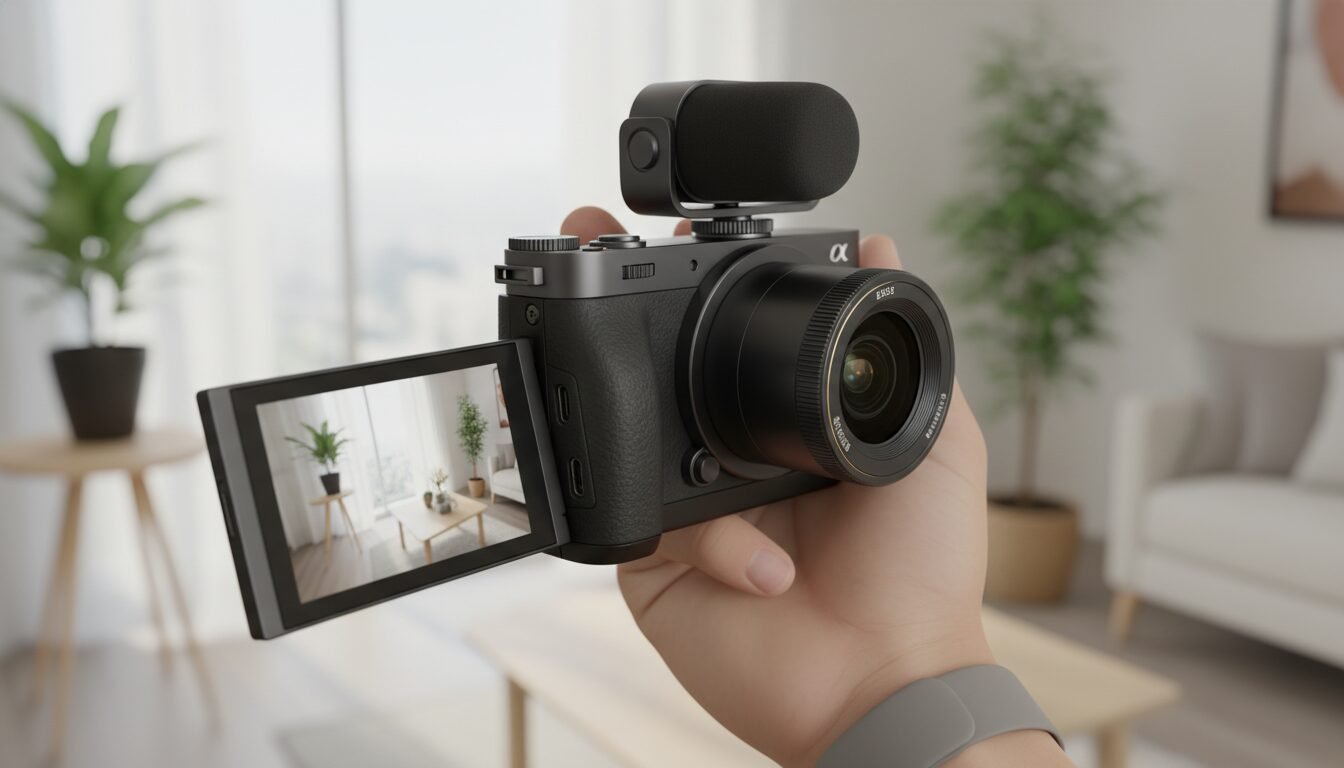
A flip screen rotates 180 degrees to face forward, letting you frame yourself while recording. The VJIANGER 4K includes a 3-inch flip screen that makes solo shooting straightforward. Pricier models like the Sony ZV-1F add touchscreen controls and brighter panels for outdoor use, where glare is a real problem.
Video Resolution and Frame Rates
4K resolution means roughly 4,000 horizontal pixels per frame, delivering sharp, detail-rich footage. Most modern vlogging cameras support 4K at 30fps, while advanced options like the Insta360 X5 push to 8K for maximum cropping flexibility in post. Higher frame rates, 60fps or 120fps, enable smooth slow-motion effects that add a cinematic feel to travel and lifestyle content.
Image Stabilization
Image stabilization reduces camera shake for smoother footage, and the technology varies widely across price points. The DJI Osmo Pocket 3 uses a 3-axis mechanical gimbal built directly into the body, while the Sony ZV-E10 II relies on electronic stabilization with an active mode. For walking shots and run-and-gun vlogging, mechanical stabilization consistently outperforms digital correction.
Best Budget Digital Vlogging Cameras in 2026
VJIANGER 4K 64MP: The Strongest Starter Option
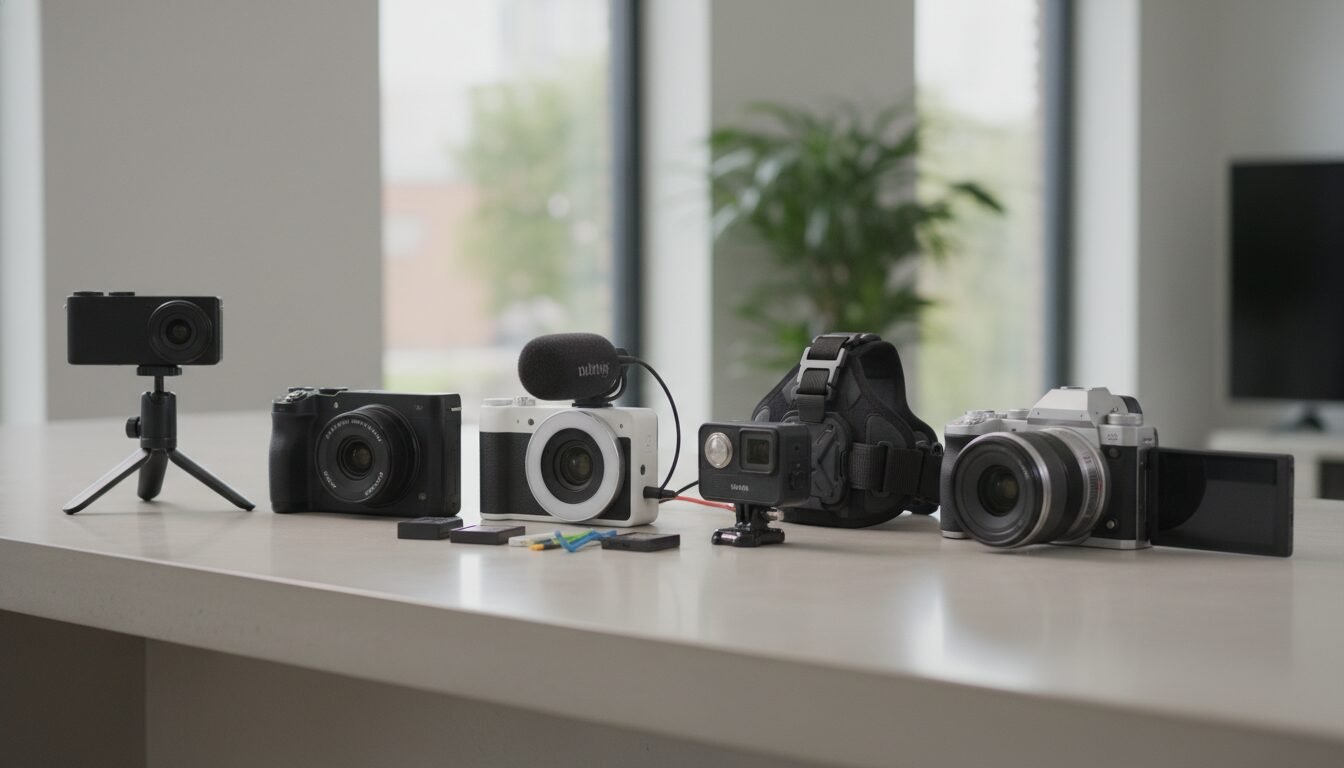
Priced at $59.97 on Amazon, this camera packs a genuinely surprising spec sheet. It shoots 4K video, captures 64MP photos, and offers 18X digital zoom. The 3-inch 180° flip screen, built-in fill light, Wi-Fi connectivity, and included 32GB Micro SD card mean it’s ready to shoot the moment it arrives. At 9.8 ounces, it’s light enough to carry all day without thinking about it. For anyone testing vlogging before committing serious money, this is the obvious starting point.
Used Smartphones as a Gateway
If even $60 is a stretch, an older flagship phone paired with a basic gimbal can approximate a vlogging setup. That said, dedicated cameras offer better ergonomics, a proper microphone port, and more room to grow your kit over time.
Mid-Range Cameras for Enthusiasts
Sony ZV-1F: Compact and Competent
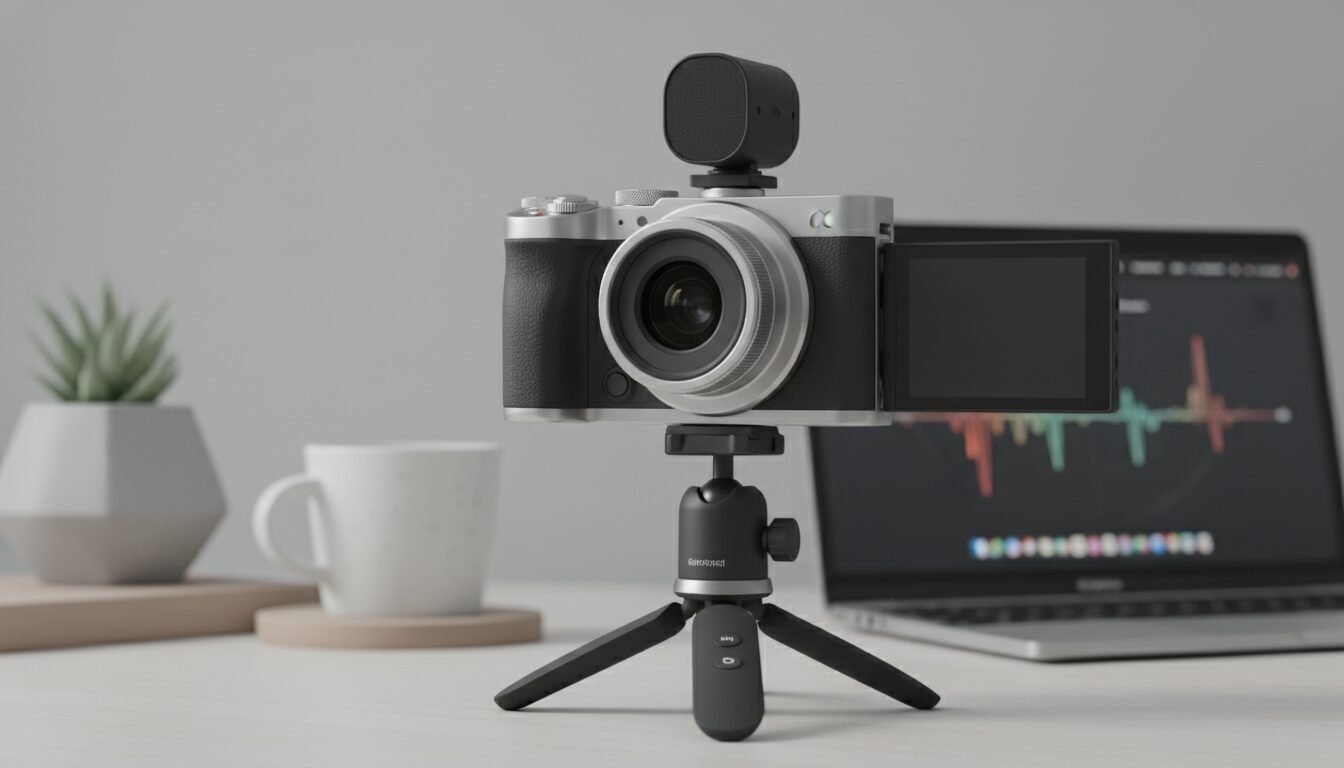
Available for $599.99 on Sony’s official store, the ZV-1F features a 1-inch sensor and a wide-angle lens built for handheld vlogging. It includes advanced autofocus, a directional microphone, and a fully articulating flip screen. It also doubles as a high-quality webcam via USB, which makes it genuinely useful beyond the camera bag.
Sony ZV-E10: Interchangeable Lens Flexibility
At $749.99, the ZV-E10 brings an APS-C sensor and Sony’s E-mount lens system, so you can swap glass as your style evolves. The larger sensor delivers cinematic depth of field, and 4K/30p recording keeps footage crisp. This is the right pick for creators who want to grow their kit without switching systems. For context, the step-up ZV-E10 II sits at $1,199.99, and the full-frame ZV-E1 reaches $2,199.99, so the original ZV-E10 represents a strong value in the Sony lineup.
Advanced Cameras for Professionals
Insta360 GO Ultra: Pocket-Sized Power
At 53 grams and priced at $703 from the Insta360 store, the GO Ultra redefines what a portable camera can do. It shoots 4K video and can be worn, clipped, or mounted for hands-free POV footage. The Vlogger Bundle adds a pivot stand and quick-release strap, making it a versatile tool for active creators who need to keep both hands free.
Insta360 X5: 360° Storytelling
The Insta360 X5 ($779.99) captures 8K 360-degree footage, letting you reframe the best angles entirely in post-production. It ships with an invisible selfie stick and advanced FlowState stabilization, making it ideal for immersive travel and action content. For creators who want to stand out visually, this format is genuinely hard to replicate with any other type of camera.
How to Choose the Right Camera
Step 1: Define Your Budget
Start with a clear spending limit. A solid vlogging camera ranges from $60 (VJIANGER) to over $2,000 (Sony ZV-E1). Factor in accessories too: a decent external mic runs $50–$150, and a quality tripod adds another $30–$80. Your total kit budget matters more than the camera price alone.
Step 2: Match the Camera to Your Content Style
Talking-head vlogs need a flip screen and reliable autofocus. Action content demands waterproofing and strong stabilization. Travel vlogging puts a premium on weight: 53 grams (Insta360 GO Ultra) versus 9.8 ounces (VJIANGER) is a real difference when you’re carrying gear across airports and hiking trails.
Step 3: Check Connectivity and Audio
Wi-Fi speeds up file transfers and enables remote control from your phone. An external microphone port is non-negotiable for anyone serious about audio quality. The VJIANGER includes Wi-Fi and webcam functionality, while Sony’s premium cameras support digital audio interfaces for professional-grade microphones.
Pros and Cons of Digital Vlogging Cameras
Pros
- Purpose-built video features: flip screens, directional mics, and fast autofocus that phones and DSLRs often lack.
- Wide price range from $60 to $2,000+ means there’s a viable option at every budget level.
- Compact and lightweight designs make daily carry realistic, especially models under 100 grams.
- Many double as webcams via USB, adding value beyond vlogging.
- Dedicated stabilization systems, both mechanical and electronic, produce smoother footage than most smartphone modes.
Cons
- Budget models under $100 often use digital zoom rather than optical zoom, which reduces image quality at longer distances.
- Smaller sensors on entry-level cameras struggle in low-light conditions compared to mid-range options with 1-inch or APS-C sensors.
- Proprietary battery systems mean you’re locked into brand-specific accessories and charging solutions.
- 360° cameras like the Insta360 X5 require more post-production time to reframe and edit footage effectively.
Accessories to Complement Your Setup
External Microphones
Audio quality is half the viewing experience. A shotgun mic or wireless lavalier dramatically improves sound over any built-in microphone. The DJI Osmo Pocket 3 Vlog Combo includes a DJI Mic Mini transmitter with a wireless range of up to 400 meters, as noted by DJI. That kind of range gives you real freedom of movement during shoots.
Gimbals and Stabilizers
Even cameras with built-in stabilization benefit from a dedicated gimbal for cinematic pans and tracking shots. The Insta360 X5’s internal FlowState stabilization is strong enough that most creators skip the external gimbal entirely, but for cameras without mechanical stabilization, a 3-axis gimbal is worth the investment.
Lighting and Tripods
Portable LED panels and mini tripods create consistent, well-lit shots regardless of location. Most vlogging cameras include a standard 1/4-inch tripod mount, so you’re not locked into any specific support system. A basic LED panel and a compact tripod together typically cost under $60, making them one of the highest-value upgrades available.
“The biggest mistake new vloggers make is spending everything on the camera and nothing on audio and lighting. A $200 camera with a $50 mic and a $30 LED panel will outperform a $600 camera used alone.” – Emin Media Production Team
Comparison of Top Cameras in 2026
| Camera Model | Price | Key Specs | Best For |
|---|---|---|---|
| VJIANGER 4K | $59.97 | 4K/30fps, 64MP photos, 18x digital zoom, flip screen, Wi-Fi | Beginners, budget vloggers |
| Sony ZV-1F | $599.99 | 1-inch sensor, wide-angle lens, directional mic, USB webcam | Enthusiasts, live streamers |
| Sony ZV-E10 | $749.99 | APS-C sensor, interchangeable lenses, 4K/30p | Growing creators, flexible setups |
| Insta360 GO Ultra | $703.00 | 53g weight, 4K video, magnetic mounting, water resistant | Travel, POV, hands-free vlogs |
| Insta360 X5 | $779.99 | 8K 360° video, FlowState stabilization, invisible selfie stick | Immersive 360° content, action |
Ready to Build Your Vlogging Setup?
Choosing the right camera is only the first step. At Emin Media, we help brands and creators build complete content systems: from camera selection and kit configuration to full video production and social media strategy. Whether you’re launching a YouTube channel or producing content for a brand campaign, we bring the creative and technical expertise to make it work. Contact Emin Media for a free brand consultation and let’s build something worth watching.
Frequently Asked Questions
What is the best digital vlogging camera for beginners?
The VJIANGER 4K 64MP camera, priced at $59.97, is the strongest entry-level option available in 2026. It includes a flip screen, 4K video, Wi-Fi, and a 32GB SD card out of the box, so you’re ready to shoot immediately without additional purchases.
Can I use a digital vlogging camera as a webcam?
Yes. Many models, including the VJIANGER and Sony ZV-1F, support USB webcam mode for live streaming directly from a PC or laptop. This makes them genuinely versatile tools beyond dedicated vlogging use.
Do vlogging cameras have good audio quality?
Built-in microphones are adequate for casual use, but for professional-sounding audio, an external microphone is the right move. Sony cameras include directional mics that improve clarity significantly, and wireless options like the DJI Mic Mini extend that further with up to 400 meters of range.
What is the difference between 4K and 8K vlogging cameras?
4K delivers roughly 8.3 megapixels per frame, while 8K provides approximately 33.2 megapixels per frame, giving you far more detail and cropping flexibility in post-production. The Insta360 X5 at $779.99 is the most accessible 8K option currently available for vloggers.
Are vlogging cameras good for photography too?
Many are. The VJIANGER captures 64MP stills alongside its 4K video, and Sony’s ZV-series cameras produce high-quality photos thanks to their large sensors and fast autofocus systems. If you need both photo and video capability, mid-range options offer the best balance.
How much should I spend on my first vlogging camera?
You can start with as little as $60 for a capable beginner model. Most creators who get serious about their content invest $500–$800 for better sensors, improved low-light performance, and professional audio support. Factor in accessories from the start: budget an additional $100–$200 for a mic, tripod, and lighting.
Enjoyed this article?
Contact Emin Media for a free brand consultation and let's create something amazing together.
Get in Touch