Best Camera Waterproof Digital Models for Underwater
Key Takeaways
- Waterproof digital cameras are essential for underwater photography, beach trips, and rugged outdoor adventures.
- The OM System Tough TG-7 is the top-rated model, offering 4K video and a 50-foot depth rating.
- Budget options like the Kodak Pixpro WPZ2 provide solid performance under $200.
- Key features to look for include depth rating, image stabilization, and macro modes.
- Always rinse your camera waterproof digital with fresh water after saltwater use to protect seals.
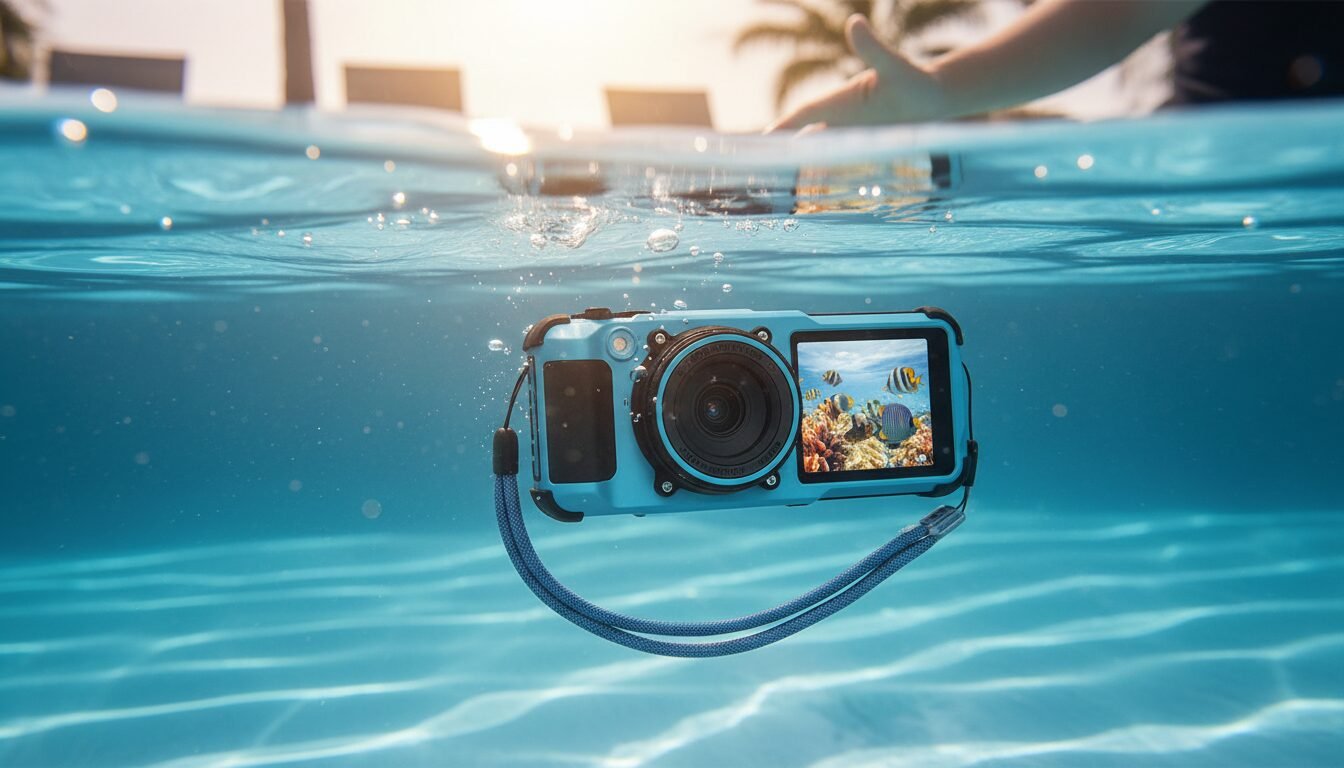
Camera waterproof digital is any digital camera designed to operate underwater without additional housing. Built for snorkeling, swimming, and beach photography, these cameras combine durability with intuitive controls that work even when you’re 50 feet below the surface.
What Is a Camera Waterproof Digital?
Media” class=”wp-image-9672″ loading=”lazy” width=”1792″ height=”1024″ />A waterproof digital is engineered specifically to function while submerged in water, typically without requiring a separate underwater housing. These cameras feature reinforced seals and gaskets that prevent water from damaging internal electronics. The depth rating—expressed in feet or meters—indicates how deep the camera can go while maintaining full operation.
According to Digital Camera World, waterproof cameras aren’t just for aquatic adventures. They serve as rugged companions for hiking, skiing, and dusty environments where regular cameras would fail.
“I’ve been in love with waterproof cameras ever since having a toy one as a kid! I always want to snap an underwater shot – or want to be able to keep shooting even in rain, dust and sand!”
— James Artaius, Editor, Digital Camera World
Waterproof Ratings and IP Codes
An IP (Ingress Protection) rating defines a device’s resistance to solids and liquids. For any these digital, relevant codes include IPX7 (immersion up to 1 meter for 30 minutes) and IPX8 (continuous immersion beyond 1 meter). Most manufacturers simplify this by listing maximum depth and duration on product spec sheets.
Types of Waterproof Digital Cameras
- Compact point-and-shoot: Best for general use, with built-in lenses and automatic modes.
- Action cameras: Fixed wide-angle lenses, extreme durability, and often used for video.
- Disposable models: Single-use film cameras for casual underwater snapshots.
- Advanced compacts: Feature manual controls and superior image quality for enthusiasts.
Top Waterproof Cameras for Any Adventure
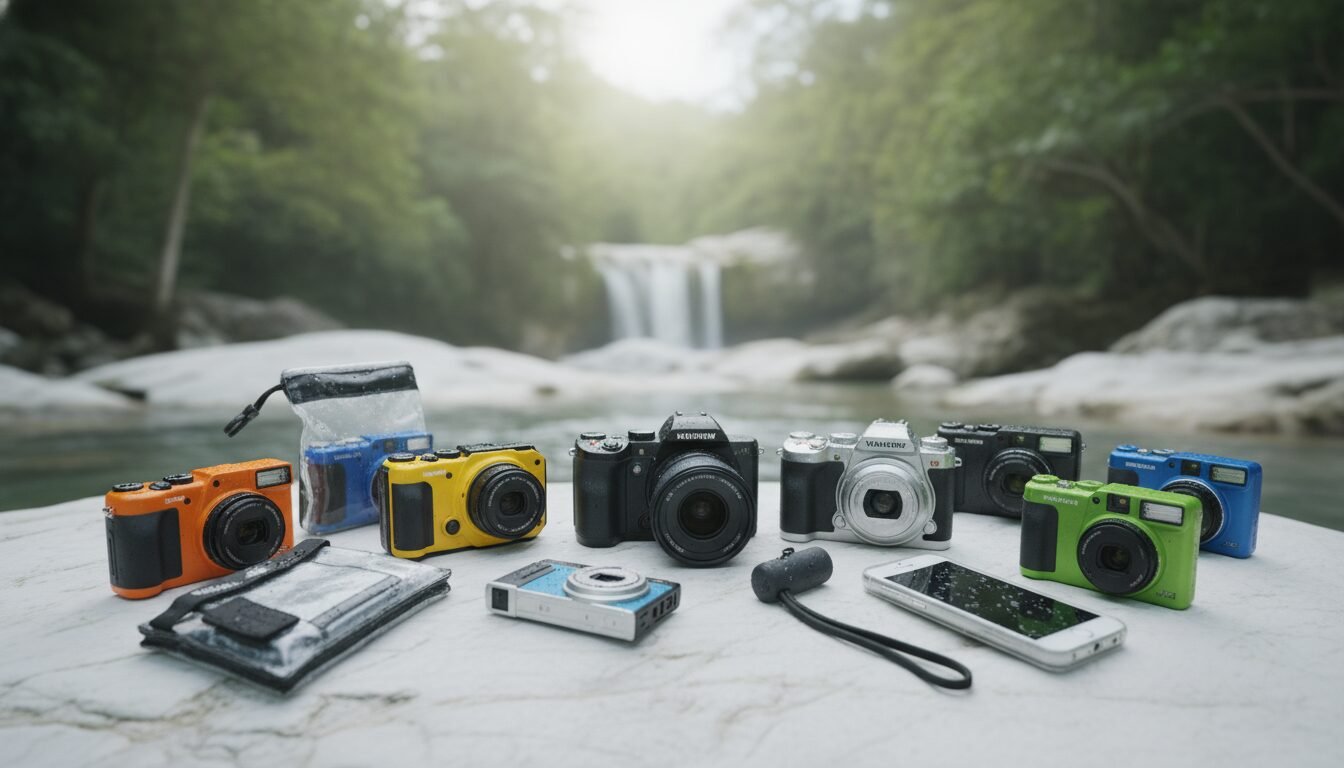
Selecting the right such digital depends on your planned activities and budget. From snorkeling expeditions to poolside fun, the market offers diverse options. Here’s our comparison of leading models for 2026.
Key Models Comparison
| Model | Price Range | Max Depth | Key Features | Best For |
|---|---|---|---|---|
| OM System Tough TG-7 | $550 | 50 ft (15 m) | 4K video, 12MP, macro mode, shockproof | All-around outdoor use |
| Kodak Pixpro WPZ2 | $189 | 49 ft (15 m) | 16MP, 4× optical zoom, 1080p, Wi‑Fi | Budget-friendly snorkeling |
| Pentax WG-90 | $250 | 45 ft (14 m) | 16MP, 5× zoom, chemical-resistant | Families and beginners |
| Fujifilm FinePix XP130 | $180 | 65 ft (20 m) | 16MP, 5× optical zoom, Wi‑Fi, Bluetooth | Beach vacations |
| 4K Underwater Camera (generic) | $68 | 16 ft (5 m) | 64MP, dual-screen, floatable | Casual pool and shallow water |
Best Overall: OM System Tough TG-7
Tested extensively by both Wirecutter and Digital Camera World, the OM System Tough TG-7 consistently tops recommendation lists. It delivers 4K video and a high-resolution 12MP sensor, with a macro mode that captures underwater details as small as 1 cm. Its 50-foot depth rating suits most recreational snorkeling and diving.
Best Budget: Kodak Pixpro WPZ2
Offering a 16MP sensor and 4× optical zoom at under $200, the WPZ2 is perfect for casual users. It records 1080p Full HD video and includes Wi‑Fi for easy photo transfers. Its 49-foot waterproof rating covers typical swimming and light snorkeling adventures.
Action Cameras: The Video-First Waterproof Solution
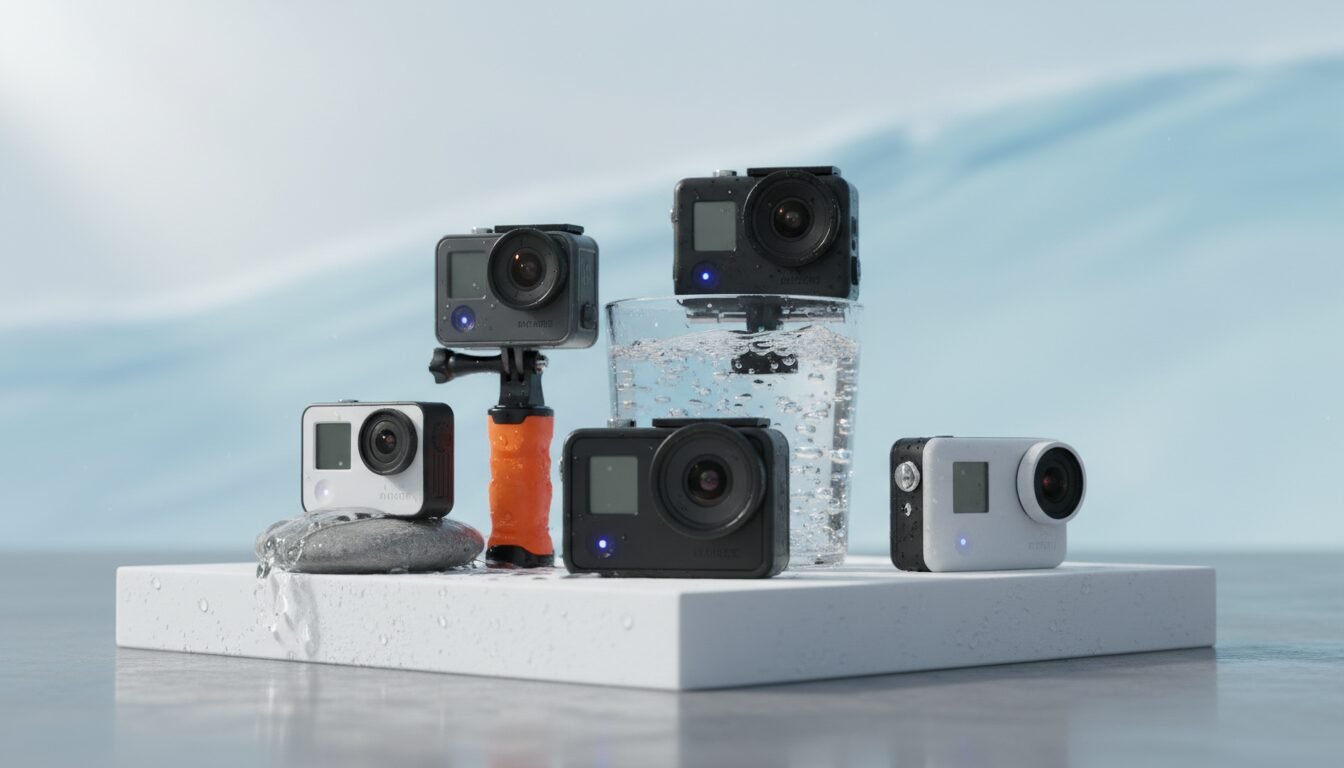
Action cameras represent a specialized category of camera waterproof digital equipment optimized for video capture and extreme conditions. These compact powerhouses excel where traditional cameras struggle.
Leading Action Camera Options
The GoPro HERO13 and DJI Osmo Action 4 are inherently waterproof without housings down to about 33–59 feet. They excel in video stabilization and mounting versatility, though their fixed wide-angle lenses lack optical zoom. For pure underwater videography, they offer a compact, robust solution that fits in your palm.
What sets action cameras apart is their video-first design. Electronic stabilization compensates for underwater turbulence, while ultra-wide lenses capture expansive reef scenes. Many models offer live streaming capabilities, letting you broadcast your underwater adventures in real-time.
When to Choose Action Over Traditional
Consider an action camera if video quality matters more than still photography. Their rugged mounting systems work brilliantly for surfing, diving, or any activity where you need hands-free recording. However, if you want optical zoom or macro photography, a traditional camera waterproof digital model serves you better.
Disposable Waterproof Cameras: Nostalgic Simplicity
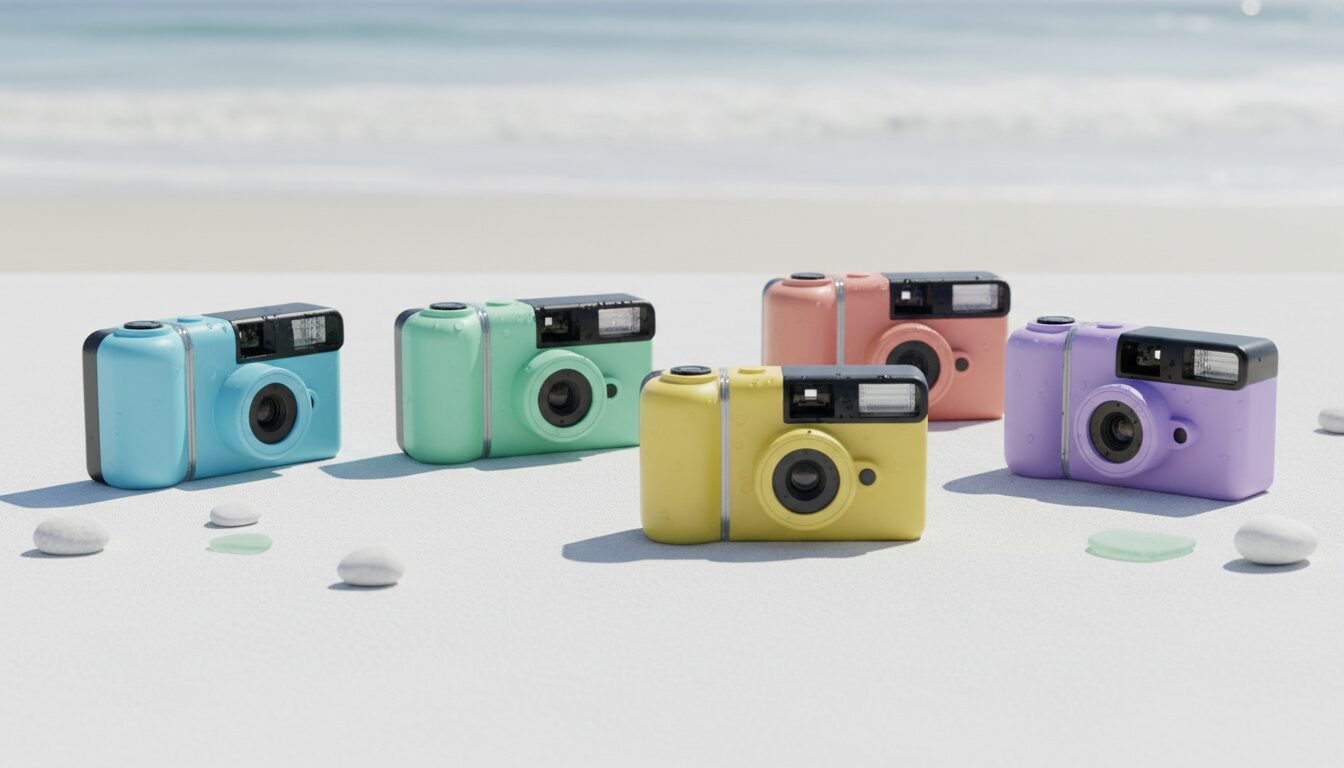
Sometimes the best camera waterproof digital solution is actually analog. Disposable waterproof cameras offer a carefree approach to underwater photography that eliminates technical concerns entirely.
Film-Based Underwater Options
Kodak Sport disposable cameras remain available for those seeking a nostalgic beach experience. These film-based units are waterproof up to 15 feet and produce 27 exposures. No digital output is possible, but they suit adventurers who want to focus on the moment rather than camera settings.
The appeal lies in their simplicity. No battery anxiety, no memory card failures, no seal maintenance. Just point, shoot, and develop the film later to discover your underwater memories. They’re also perfect for kids’ first underwater photography experiences.
How to Select the Right Waterproof Digital Camera
Choosing a camera waterproof digital involves more than comparing specs. Follow this step-by-step method to match a model to your lifestyle and shooting needs.
- Define your primary activity: Snorkeling, swimming, diving, or beach outings each demand different depth ratings and features. Diving requires at least 60 feet, while surface swimming works with 15–20 feet.
- Set a budget: Entry-level cameras start at $60, while advanced models reach $550+. Factor in accessories like floating straps or lens covers.
- Check depth rating: Always choose a camera rated deeper than your deepest planned submersion. Manufacturers test ratings in controlled conditions; real-world usage may vary.
- Evaluate image quality: Megapixels matter less than sensor size and lens quality. Look for cameras with optical zoom and image stabilization.
- Consider connectivity: Wi‑Fi and Bluetooth simplify transferring photos to your smartphone. Some models offer companion apps for remote control.
- Read user reviews: Long-term reliability of seals and buttons is critical. Reviews often highlight issues after repeated saltwater exposure.
Key Features to Look For in a Rugged Camera
A reliable camera waterproof digital shares several must-have characteristics beyond water resistance. These elements ensure your camera survives drops, temperature swings, and sand exposure.
Shockproof and Freezeproof Ratings
Most rugged cameras survive falls from 5–7 feet and operate in temperatures as low as 14°F (−10°C). The OM System TG-7 is shockproof from 7 feet, according to Wirecutter. This makes it suitable for winter sports and rocky terrain adventures.
Optical Zoom and Macro Capabilities
Optical zoom—like the 5× magnification on the Fujifilm XP130—preserves image quality when getting closer to subjects. Macro modes focus on tiny details, essential for photographing coral or small fish. Digital zoom merely crops the image and reduces resolution, so prioritize optical capabilities.
Stabilization and 4K Video
Underwater footage often suffers from shakiness. Electronic stabilization, found in newer models, compensates for hand movement. 4K resolution (3840×2160) captures four times the detail of Full HD, making it easier to crop or slow footage in post-production without quality loss.
Using Your Camera Waterproof Digital for Snorkeling and Beach Trips
A camera waterproof digital excels in bright, wet environments where regular cameras fail. However, a few techniques will maximize image quality and protect your investment.
“My current favorite is the Fujifilm Finepix XP130. It’s waterproof to 65 feet, has a 5× optical zoom, and the image quality is quite good.”
— David Coleman, Have Camera Will Travel
Snorkeling Settings and Tips
Use your camera’s “Underwater” scene mode if available; it corrects for the color loss caused by water’s absorption of red light. Set exposure compensation to +0.3 or +0.7 to counter the camera’s tendency to underexpose bright sand. Burst mode helps capture fast-moving fish and fleeting underwater moments.
Beach and Sand Protection
Sand is the natural enemy of zoom mechanisms and O-rings. Keep your camera waterproof digital in a sealed bag when not in use, and avoid opening the battery door with wet or sandy hands. Rinse the camera in fresh water immediately after exposure to saltwater, then dry with a soft cloth before charging or transferring data.
Swimming and Pool Photos
Chlorine can degrade seals over time, so after each pool session, soak the camera in a bucket of tap water for 20 minutes. For floating models like some 4K generic units, attach a brightly colored float strap to prevent loss in murky water.
Pros and Cons
Pros
- No housing required: Built-in waterproofing eliminates bulky underwater cases
- Rugged durability: Shockproof and freezeproof for extreme conditions
- Instant usability: No setup time between land and water photography
- Compact size: Easy to pack and carry on adventures
- Specialized modes: Underwater scene modes optimize color and exposure
Cons
- Limited depth range: Most consumer models max out at 65 feet
- Seal maintenance: O-rings require regular inspection and replacement
- Image quality trade-offs: Smaller sensors compared to DSLRs
- Fixed lens limitations: No interchangeable lenses for specialized shots
- Saltwater vulnerability: Requires immediate rinsing to prevent corrosion
Expert Maintenance Tips for Long-Lasting Performance
Proper care extends a camera waterproof digital‘s life by years. Follow these guidelines to keep seals intact and optics crystal clear.
Rinsing and Drying After Use
Always perform a complete fresh-water rinse within 60 minutes of ocean use. Remove any residue with a microfiber cloth and inspect the battery/memory card door for trapped debris. Allow the camera to air-dry completely before opening any compartment.
O-Ring and Seal Inspection
Most waterproof failures trace back to compromised O-rings. At least once a year—or more frequently if used often—inspect the thin rubber seal around each door. A single grain of sand can break the seal. Manufacturers recommend replacing O-rings annually, and keeping them lightly greased with the included silicone lubricant.
Storage with Desiccants
Store your camera waterproof digital in a cool, dry place. Adding a silica gel pack to the storage case absorbs residual moisture, preventing internal fogging. Avoid leaving the camera in a hot car, as extreme heat can warp seals and reduce battery life significantly.
Ready to capture your next underwater adventure? Contact Emin Media for a free brand consultation and discover how professional photography can elevate your brand’s visual storytelling.
Frequently Asked Questions
What is a camera waterproof digital?
A camera waterproof digital is a sealed digital camera designed to operate without damage when submerged in water, typically to depths specified by the manufacturer’s rating. These cameras feature reinforced seals and specialized modes for underwater photography.
How deep can most waterproof digital cameras go?
Most consumer waterproof cameras are rated for depths between 15 and 65 feet (5–20 meters). Specialized dive cameras, like the SeaLife Micro 3.0, can descend to 200 feet for serious underwater photography.
Can I take my smartphone underwater instead of a waterproof camera?
Many modern smartphones have IP68 ratings, meaning they can survive immersion for short periods. However, saltwater and repeated submersion may void warranties. For any serious aquatic photography, a dedicated camera waterproof digital is recommended for reliability and specialized underwater features.
What is the best waterproof digital camera for snorkeling?
The OM System Tough TG-7 is widely regarded as the top choice; it offers excellent macro capabilities and a 50‑foot depth rating. Budget-conscious snorkelers often choose the Kodak Pixpro WPZ2 for its solid performance under $200.
Do waterproof cameras shoot video?
Yes, nearly all modern waterproof digital cameras record video, with many offering 4K resolution. Action cameras like the GoPro HERO13 are particularly strong in stabilized video capture for underwater adventures.
How do I care for a waterproof digital camera?
Rinse it with fresh water after every saltwater or chlorinated use, dry it thoroughly before opening battery doors, and inspect the O-rings regularly for debris or damage. Annual O-ring replacement ensures continued waterproof performance.
Enjoyed this article?
Contact Emin Media for a free brand consultation and let's create something amazing together.
Get in Touch