AI Movie Evolution: From Spielberg’s Vision to 2026 Cinema
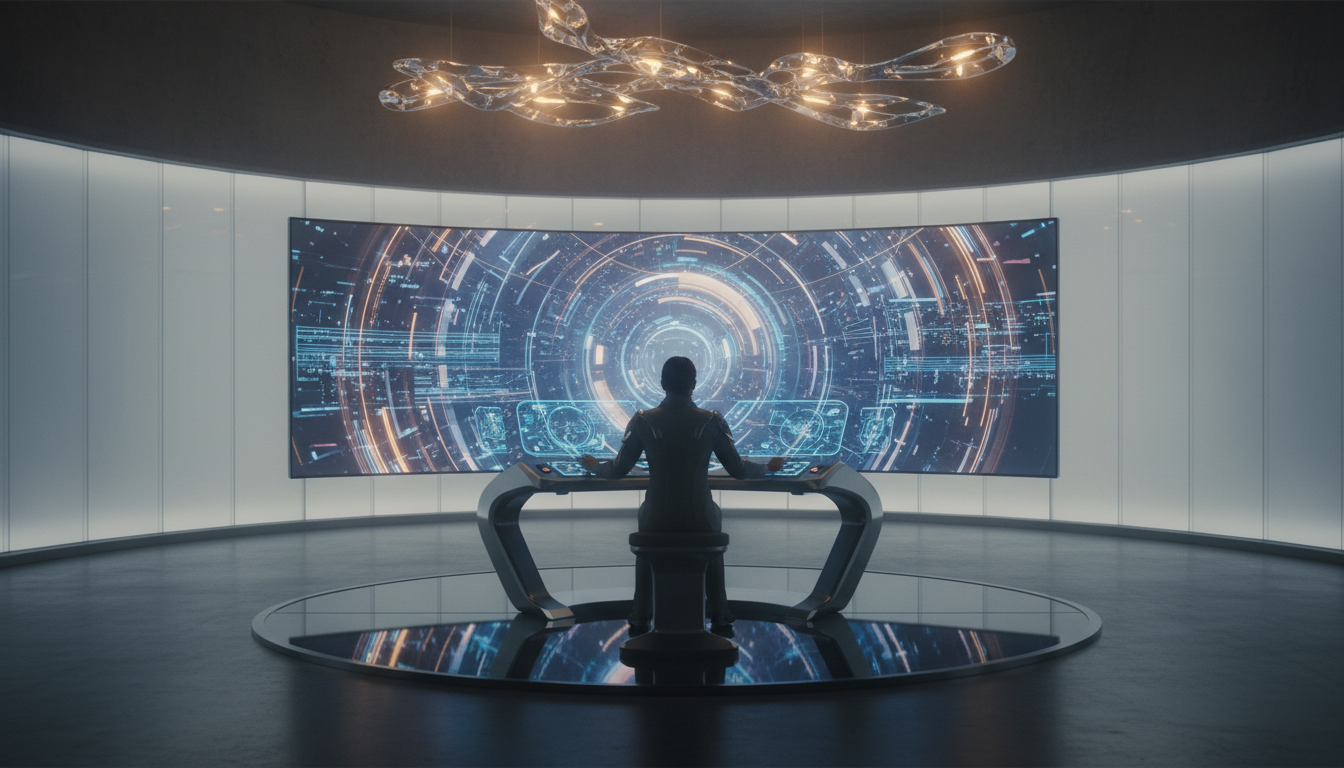
The ai movie space has transformed dramatically since Steven Spielberg’s haunting 2001 masterpiece first asked whether machines could love. What started as philosophical science fiction has evolved into a visual playground where artificial intelligence doesn’t just drive the plot, it’s reshaping how we tell stories on screen.
From the cold blue lighting of Kubrick’s original vision to the warm amber tones of modern AI narratives, these films have become our cultural mirror, reflecting our deepest anxieties and wildest dreams about technology. We’re not just watching robots anymore; we’re witnessing the birth of a new cinematic language.
The Visual DNA of AI Cinema: How Design Shapes Story
Every great ai movie starts with a visual question: what does artificial consciousness look like? The answer has evolved from the sterile chrome of early sci-fi to something far more detailed and emotionally complex.
Color Psychology in AI Storytelling
The most successful AI films use color as a character itself. Spielberg’s A.I. painted David’s world in cool blues and sterile whites, creating an emotional distance that made his humanity more poignant. Modern AI cinema has embraced warmer palettes, think the golden hour lighting in recent productions that suggests artificial beings yearning for authentic human connection.
This shift isn’t accidental. Our visual language around AI has matured alongside our real-world relationship with technology. Where once we feared the cold machine, now we’re exploring the possibility of digital empathy.
Production Design as World-Building
The environments in AI movies tell stories before a single line of dialogue is spoken. From the retro-futuristic homes in A.I. to the sleek minimalism of contemporary AI thrillers, production designers are creating spaces that feel both familiar and alien.
The most effective approach? Grounding futuristic technology in recognizable human spaces. A kitchen that looks like your grandmother’s, but with holographic interfaces. A bedroom that feels cozy, except the mirror is actually an AI companion. This juxtaposition creates the uncanny valley effect that makes AI stories so compelling.
Character Design and the Humanity Question
How do you design a character that’s artificial but relatable? The evolution from obvious robots to nearly-human androids reflects our changing relationship with AI. Early films made the artificial obvious, metal skin, glowing eyes, mechanical movements. Today’s AI characters blur the line intentionally, forcing audiences to question what makes someone “real.”
Brand Storytelling Through AI Cinema: Lessons for Modern Marketers
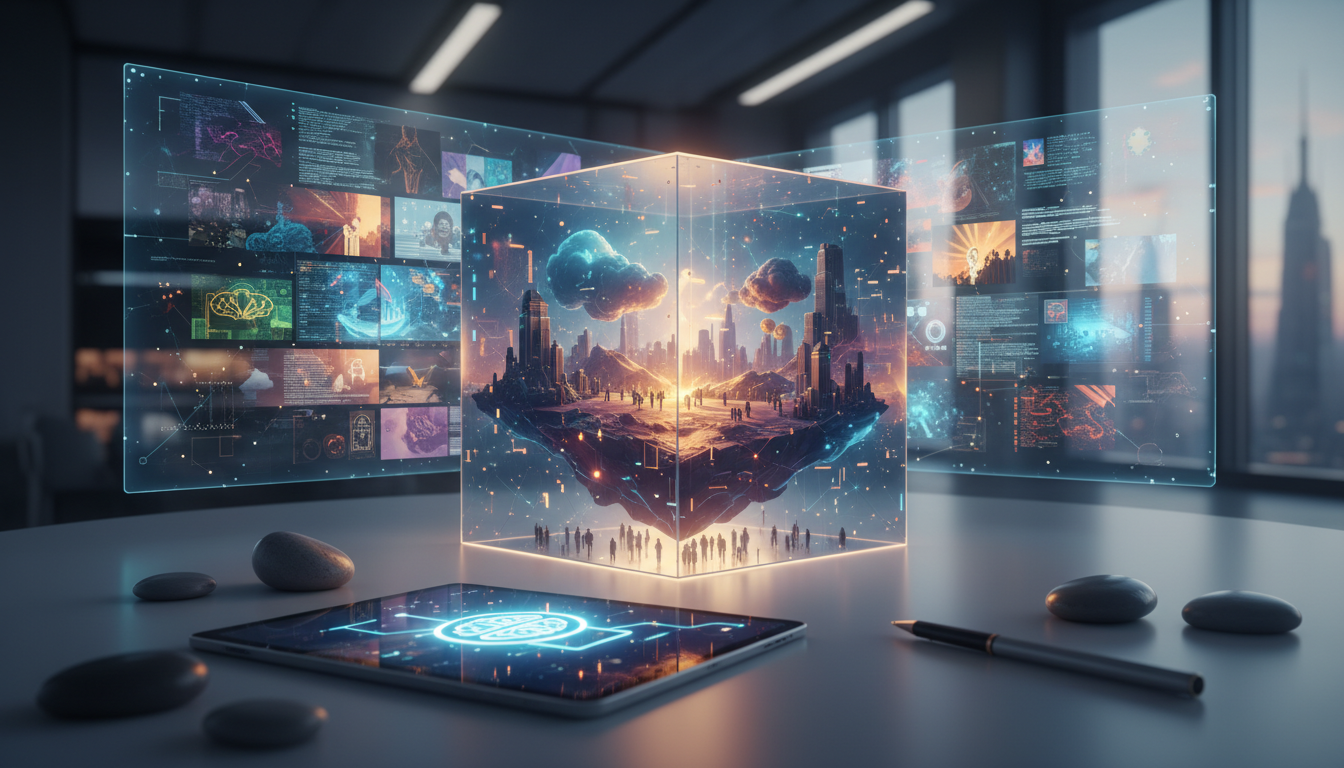
AI movies aren’t just entertainment, they’re masterclasses in brand narrative. Every successful ai movie creates a world so compelling that audiences want to live in it, even when that world is dystopian.
Building Emotional Connection with Non-Human Characters
The genius of films like A.I. lies in making audiences care deeply about characters who aren’t technically alive. This translates directly to brand storytelling: how do you make people emotionally invested in your company’s mission?
The secret is vulnerability. David’s childlike wonder and desperate need for love made him more human than many human characters. Brands can learn from this, show your struggles, your growth, your genuine desire to serve. Authenticity resonates, even when it comes from artificial sources.
Visual Metaphors That Stick
AI cinema excels at creating visual metaphors that linger long after the credits roll. The blue fairy in A.I., the origami unicorn in Blade Runner, these images become shorthand for complex emotional concepts.
Smart brands adopt this approach. Instead of explaining your values, show them through visual storytelling that creates instant recognition and emotional response. Your logo, color palette, and visual style should tell your story without words.
The Power of Subtext in Narrative
The best AI movies work on multiple levels simultaneously. Surface level: robot wants to be human. Deeper level: exploration of consciousness, love, and what defines humanity. Deepest level: commentary on our current relationship with technology.
This layered approach works brilliantly for brand storytelling. Your surface message might be about your product, but the deeper narrative should connect to universal human experiences and values.
The Technical Revolution: How AI is Actually Making Movies
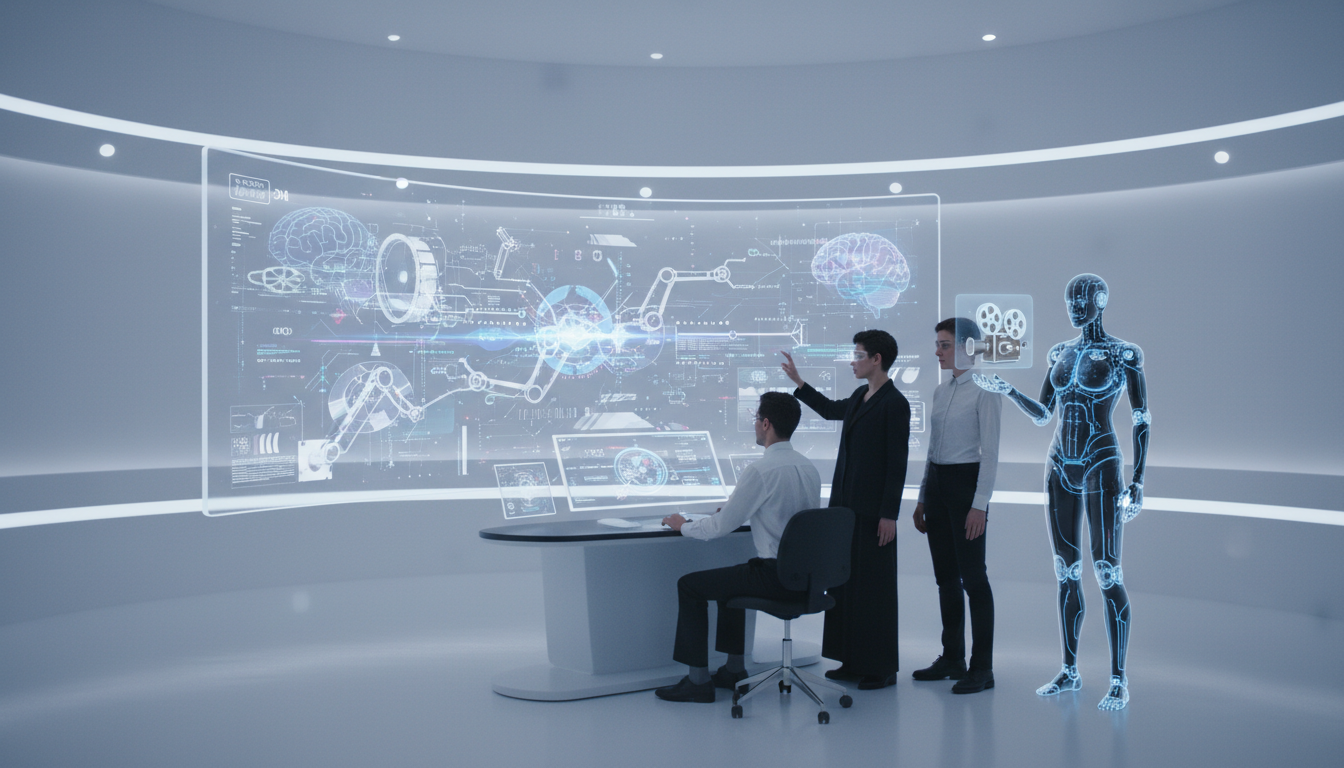
Here’s where things get meta: artificial intelligence isn’t just the subject of movies anymore, it’s becoming the filmmaker. The tools we use to create AI stories are increasingly powered by AI themselves.
AI-Powered Visual Effects and Post-Production
Modern ai movie production relies heavily on machine learning algorithms for everything from facial replacement to environment generation. What once required months of manual labor can now be accomplished in days through AI-assisted workflows.
This democratization of high-end visual effects means smaller studios can create cinematic experiences that rival major productions. The barrier to entry for compelling AI storytelling has never been lower, opening doors for more diverse voices and perspectives.
Procedural Storytelling and Dynamic Narratives
Some experimental AI films are exploring procedural storytelling, narratives that adapt based on audience response or random variables. While still in early stages, this represents a fundamental shift from linear storytelling to interactive experiences.
For brands, this suggests a future where marketing content adapts in real-time to individual viewers, creating personalized narrative experiences that feel crafted specifically for each audience member.
The Ethics of AI-Generated Content
As AI becomes more capable of generating realistic human performances, the film industry grapples with questions of authenticity and consent. Can an AI recreate a deceased actor’s performance? Should audiences be told when they’re watching AI-generated content?
These questions extend beyond cinema into all forms of content creation. Transparency becomes important, audiences appreciate honesty about the tools and processes behind the content they consume.
Cultural Impact: How AI Movies Shape Public Perception
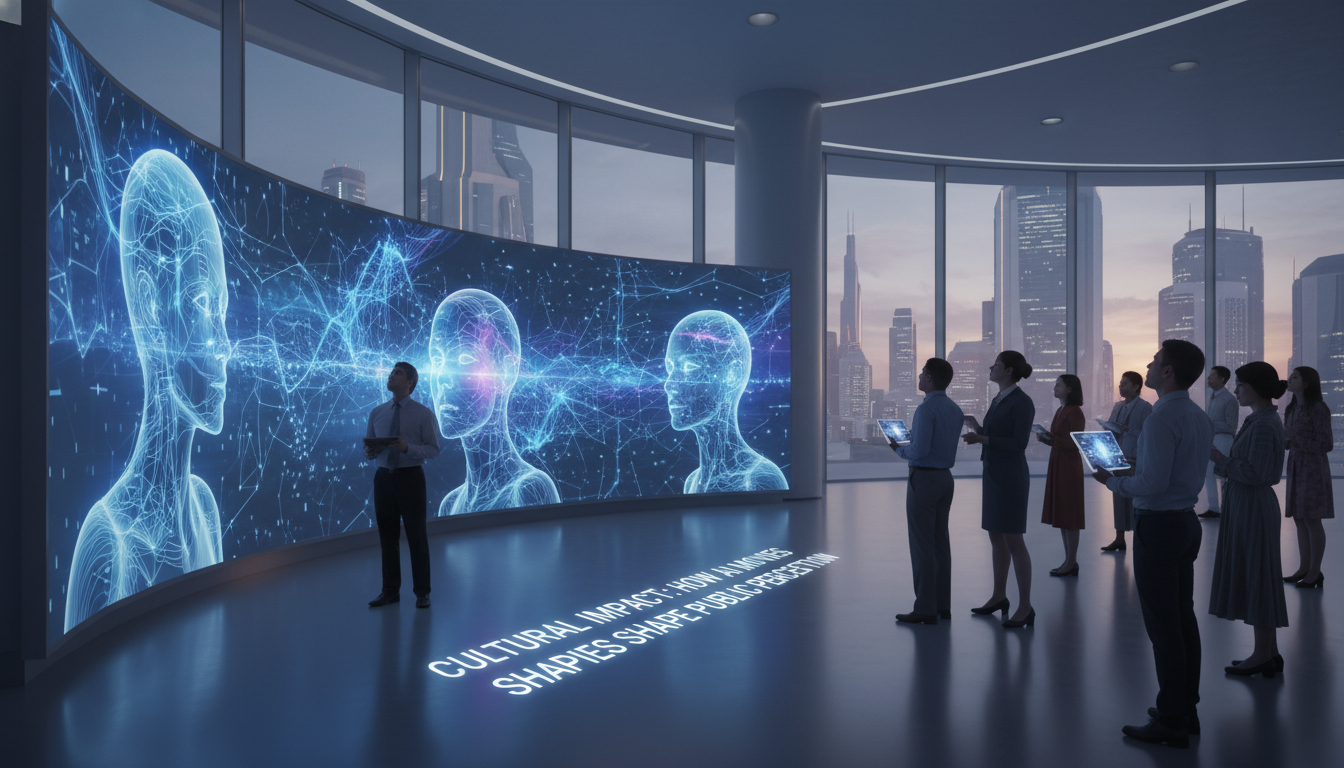
Every ai movie is a cultural artifact, capturing and influencing how society thinks about artificial intelligence. The films we make today will shape tomorrow’s relationship with AI technology.
From Fear to Fascination: The Emotional Evolution
Early AI cinema focused on existential threats, machines taking over, losing our humanity to technology. Modern AI films explore more detailed themes: partnership, enhancement, and the blurring lines between artificial and authentic.
This shift reflects our real-world experience with AI. As these technologies become more integrated into daily life, our stories evolve from cautionary tales to exploration of possibilities. We’re moving from “what if AI destroys us?” to “what if AI helps us become more human?”
Representation and Diversity in AI Narratives
The most interesting AI films of recent years have diversified beyond the typical white male protagonist discovering his artificial nature. We’re seeing stories that explore how different cultures might relate to artificial consciousness, how AI might experience identity differently across various social contexts.
This expansion of perspective creates richer narratives and more inclusive visions of our technological future. It also opens new markets and audience connections for studios willing to move beyond traditional formulas.
The Mirror Effect: AI as Social Commentary
The best AI movies use artificial characters to examine very human problems. Questions of consciousness, identity, love, and belonging become more poignant when explored through non-human perspectives.
This mirror effect makes AI cinema particularly powerful for addressing contemporary social issues. When an artificial being struggles with acceptance or searches for purpose, audiences can explore these themes without the defensive barriers that might arise from more direct approaches.
Visual Trends Defining Modern AI Cinema
The aesthetic language of ai movie production continues evolving, driven by both technological capabilities and changing cultural attitudes toward artificial intelligence.
The Warm Machine: Humanizing AI Through Design
Gone are the days when AI characters had to look obviously artificial. Modern productions embrace subtle indicators of artificial nature, slight movement patterns, particular lighting choices, or design elements that suggest technology without screaming “robot.”
This trend toward subtlety creates more emotionally engaging characters. When audiences aren’t constantly reminded that a character is artificial, they can form genuine emotional connections. The revelation of artificial nature becomes more impactful when it comes as a surprise rather than an obvious given.
Environmental Storytelling and World-Building
Contemporary AI films excel at using environments to tell stories about the relationship between artificial and human intelligence. Spaces that blend organic and technological elements suggest integration rather than replacement.
Smart production designers create worlds where AI enhancement feels natural rather than invasive. Holographic interfaces that respond to gesture, surfaces that adapt to user needs, lighting that shifts based on emotional state, these elements suggest a future where AI serves human flourishing rather than replacing it.
The Uncanny Valley as Artistic Choice
Rather than avoiding the uncanny valley effect, some modern AI films embrace it as an artistic tool. The slight wrongness that makes audiences uncomfortable becomes a way to explore themes of authenticity and acceptance.
This deliberate use of visual discomfort creates opportunities for deeper emotional engagement. When audiences feel unsettled by a character’s appearance or movement, they’re forced to examine their own biases and assumptions about what makes someone “real” or worthy of empathy.
The Business of AI Movies: Production and Distribution Evolution
The economics of ai movie production have shifted dramatically as AI tools become more accessible and audiences become more sophisticated in their expectations.
Budget Democratization Through AI Tools
High-quality visual effects that once required massive budgets are now achievable through AI-assisted production tools. Independent filmmakers can create compelling AI characters and environments without studio-level resources.
This democratization is producing more diverse AI narratives as creators from different backgrounds can afford to tell their stories. We’re seeing AI films that explore cultural perspectives previously absent from mainstream cinema, enriching the overall conversation about artificial intelligence and humanity.
Streaming Platforms and Niche Audiences
Digital distribution platforms have created space for AI films that might not succeed in traditional theatrical releases. Niche audiences can find content that speaks to specific interests or perspectives, supporting more experimental and diverse storytelling approaches.
This shift allows for more intimate AI stories, character studies rather than action spectacles, philosophical explorations rather than thriller plots. The result is a richer ecosystem of AI cinema that serves different audience needs and interests.
International Markets and Cultural Exchange
AI themes translate across cultural boundaries while allowing for local interpretation and perspective. International co-productions are creating AI films that blend different cultural approaches to technology and consciousness.
These cross-cultural collaborations produce more detailed and globally relevant AI narratives. When filmmakers from different backgrounds collaborate on AI stories, the results often transcend simple technology fears or fantasies to explore universal human experiences through artificial perspectives.
Creating Your Own AI-Inspired Visual Content
Whether you’re developing brand content or exploring creative projects, the visual language of ai movie production offers powerful tools for engaging storytelling.
Establishing Visual Hierarchy and Focus
AI films excel at directing audience attention through visual design. Color temperature, lighting direction, and composition choices guide viewers through complex narratives without confusion.
Apply these techniques to your content by establishing clear visual hierarchies. Use color and lighting to emphasize important elements, create depth through layered composition, and guide viewer attention through deliberate design choices. The goal is smooth communication that feels intuitive rather than forced.
Balancing Familiar and Futuristic Elements
The most successful AI visual content grounds futuristic concepts in recognizable human experiences. This balance makes complex ideas accessible while maintaining visual interest and emotional connection.
When creating AI-inspired content, start with familiar visual elements and add technological enhancements gradually. A normal office space with holographic displays, a traditional home with smart surfaces, a classic car with AI interfaces, this approach makes advanced concepts feel achievable and desirable rather than threatening or alien.
Emotional Resonance Through Visual Metaphor
AI cinema’s power comes from visual metaphors that communicate complex emotional concepts instantly. The key is finding images that connect artificial intelligence themes to universal human experiences.
Develop your own visual vocabulary that connects your message to deeper emotional truths. Whether you’re explaining AI technology or exploring themes of connection and authenticity, find visual metaphors that resonate beyond surface meaning. The most memorable content works on multiple levels simultaneously.
The Future Canvas: Where AI Movies Are Heading
As we look toward the future of ai movie production and storytelling, several trends are emerging that will reshape how we create and consume AI narratives.
Interactive and Personalized Storytelling
Future AI films may adapt their narratives based on individual viewer responses, creating personalized story experiences that feel crafted specifically for each audience member. This technology is already being tested in experimental productions.
Imagine watching an AI movie that adjusts its pacing, visual style, or even plot elements based on your emotional responses or viewing history. This level of personalization could create deeper engagement while raising new questions about authorship and artistic intent.
Collaborative Human-AI Filmmaking
The most interesting future developments may come from genuine collaboration between human creativity and AI capabilities. Rather than AI replacing human filmmakers, we’re seeing partnerships that enhance human vision through artificial intelligence tools.
These collaborations are producing visual styles and narrative approaches that neither humans nor AI could achieve independently. The result is a new form of cinema that expands the possibilities of visual storytelling while maintaining human emotional core and creative vision.
Virtual Production and Real-Time Rendering
Advanced virtual production techniques allow filmmakers to create and modify AI movie environments in real-time during filming. This technology enables more experimental and iterative approaches to visual storytelling.
Directors can now adjust lighting, environments, and even character appearances instantly during production, allowing for more spontaneous creative decisions and collaborative exploration of visual possibilities. This flexibility is particularly valuable for AI stories that often require unique visual approaches.
Enjoyed this article?
Contact Emin Media for a free brand consultation and let's create something amazing together.
Get in Touch